
만리장성 아래에서 커다란 솥에 찹쌀을 푹 끓이는 일꾼을 떠올려 보세요. 대부분 밥을 짓는다고 생각하시겠지만, 이 끈적한 죽은 사람이 먹을 음식이 아니었습니다. 옛 중국 장인들이 귀한 곡식을 왜 성벽에 발랐는지, 2010년 과학 연구로 밝혀진 비밀과 함께 정리해 보겠습니다.
▶ 숏츠 영상으로 보기: https://youtube.com/shorts/54NOjnH-zOI
▶ 유튜브 채널 구독하고 매일 새 반전 이야기 받기: https://www.youtube.com/channel/UCLl_qvdzLYgF4SQx8h4ecag?sub_confirmation=1
역사진실밝히기
1분 안에 뒤집히는 역사 상식. 우리가 당연하게 믿던 이야기의 진짜 출처를 찾아갑니다. 바이킹의 뿔 투구는 어디서 왔을까? 포춘쿠키는 정말 중국 과자일까? 교과서와 인터넷에 떠도는 '통념'
www.youtube.com
찹쌀죽, 밥이 아니었습니다
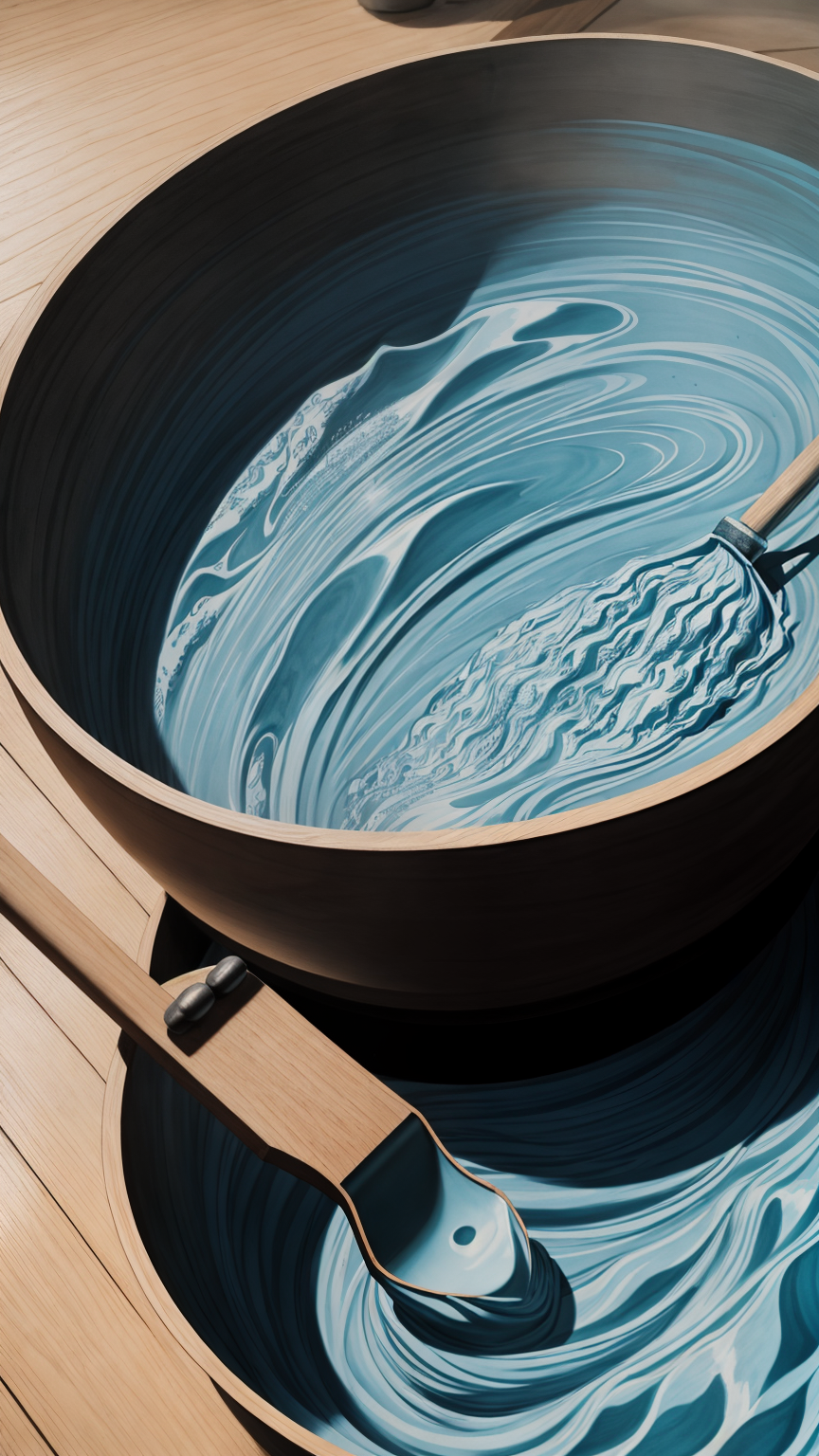
솥에 찹쌀을 끓이는 모습을 보면 대부분 일꾼들의 식사 준비를 떠올리실 겁니다. 곡식은 먹는 것이라는 생각이 자연스럽기 때문이죠. 그런데 옛 중국 건축 현장에서 끓인 찹쌀죽은 전혀 다른 곳에 쓰였습니다.
옛 중국 건축가들은 찹쌀죽을 소석회(slaked lime)에 섞어 회반죽을 만들었습니다. 그리고 이 반죽을 벽돌 사이에 발라 쌓아 올렸죠. 숏츠 속 일꾼 장면은 기록을 바탕으로 한 극적 재구성이지만, 찹쌀을 섞은 석회 반죽 자체는 기록으로 확인된 기술입니다.
약 1,500년 전부터 쓰인 기술
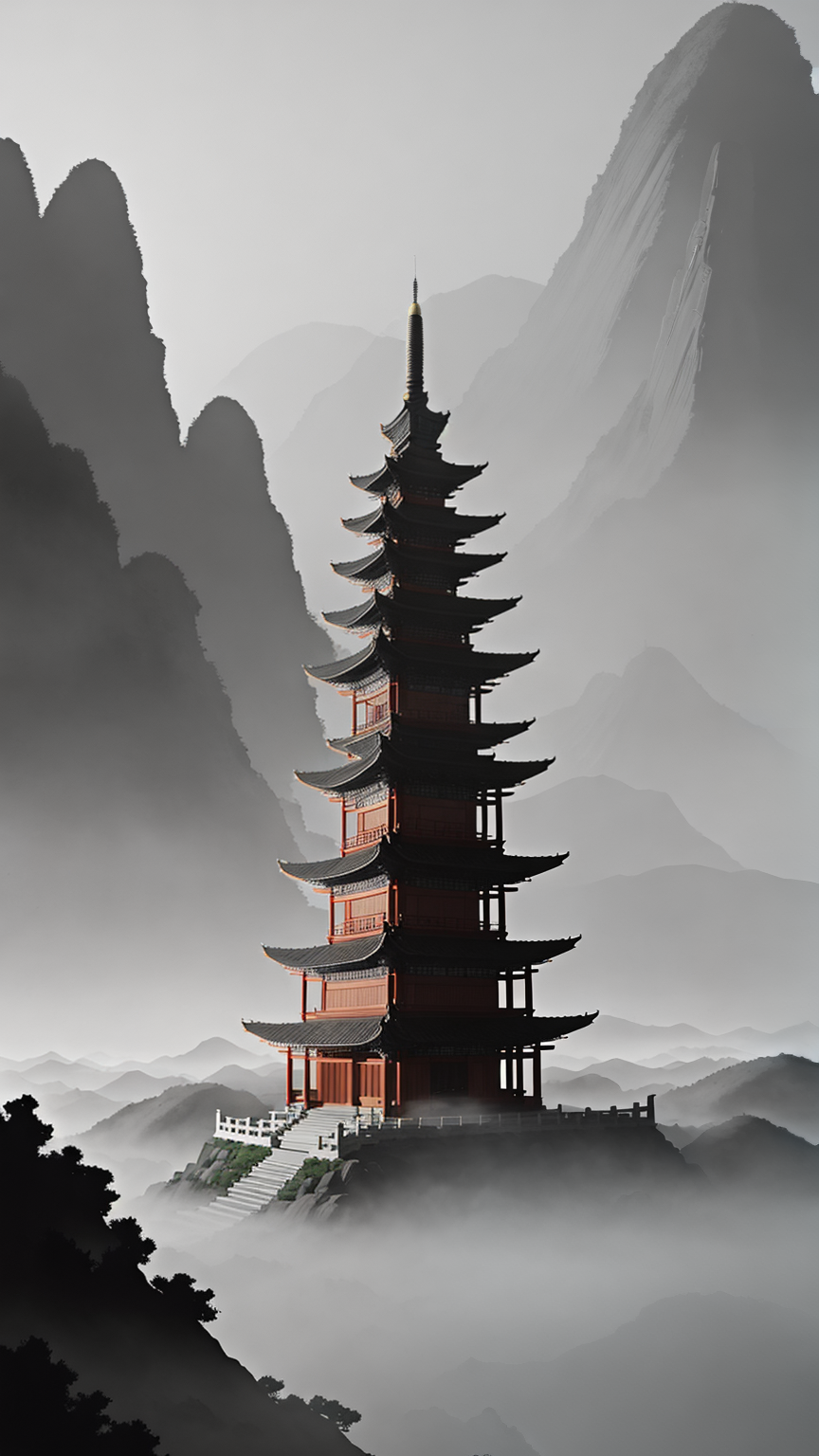
찹쌀 석회 반죽은 약 1,500년 전부터 쓰였고, 세계 최초의 복합 모르타르로 추정됩니다. 무덤과 탑, 성벽 같은 건축물에 쓰였습니다.
재미있는 점은 기록과 실물 증거의 시기가 다르다는 것입니다. 문헌 기록으로는 명나라 때 문헌이 가장 이르지만, 고고학 증거를 보면 남북조 시대(386~589)부터 이미 쓰였다고 합니다. 글로 남기기 훨씬 전부터 장인들이 현장에서 써 온 셈이죠.
명나라(1368~1644) 때에도 이 반죽은 건축에 쓰였습니다. 특히 명대에 다시 쌓은 만리장성 구간에도 이 찹쌀 석회 반죽이 들어갔습니다.
반전의 비밀, 아밀로펙틴
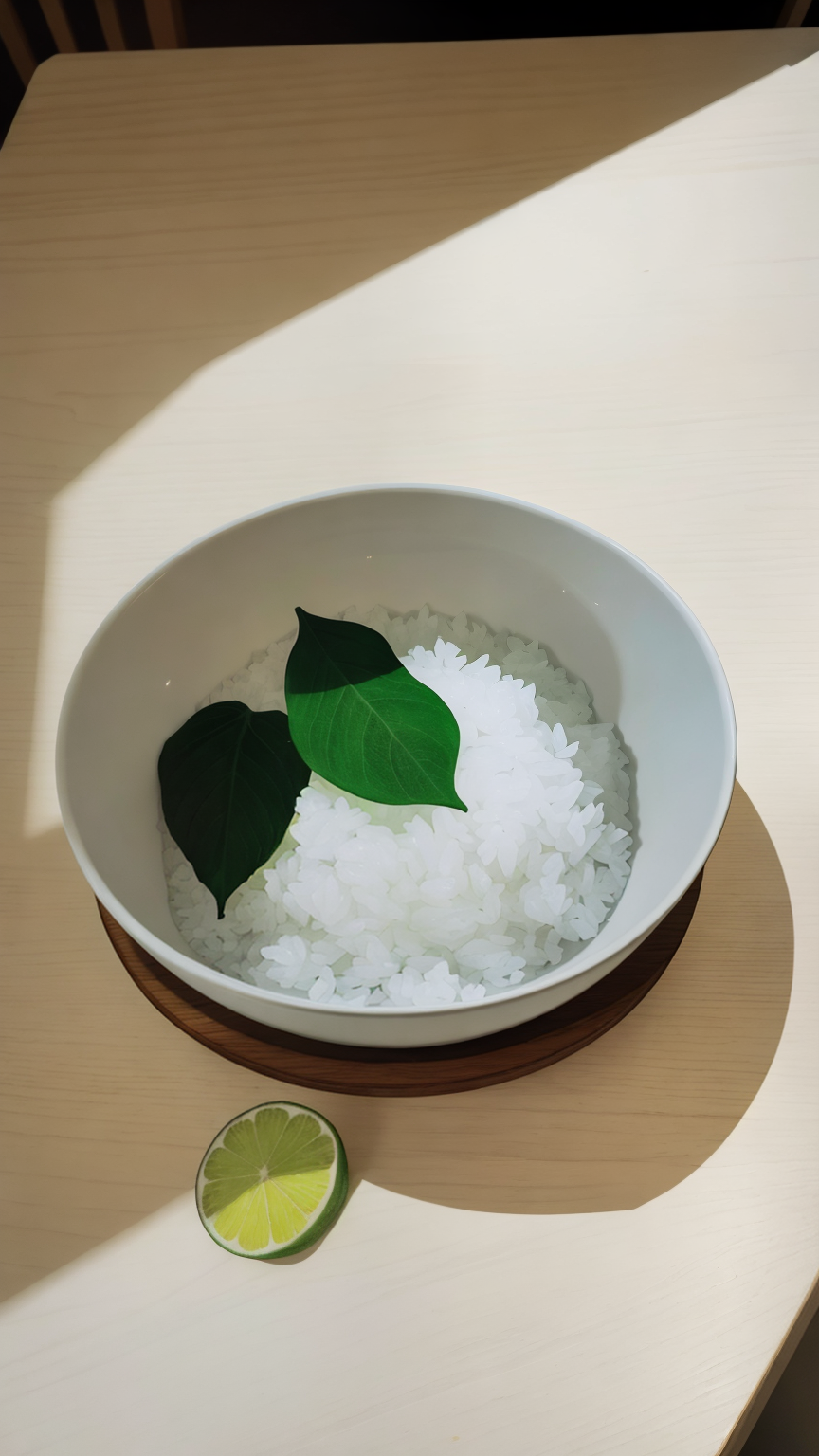
이 반죽이 왜 튼튼한지는 2010년에야 과학적으로 밝혀졌습니다. Fuwei Yang, Bingjian Zhang(張秉堅), Qinglin Ma 연구진이 학술지 Accounts of Chemical Research에 발표한 「Study of Sticky Rice–Lime Mortar Technology for the Restoration of Historical Masonry Construction」이라는 연구입니다.
핵심은 찹쌀 속 녹말 성분인 아밀로펙틴이었습니다. 아밀로펙틴이 반죽 속 탄산칼슘 결정이 자라는 것을 억제하고 조절해서 촘촘한 미세구조를 만들어 준다는 것이죠.
연구진은 찹쌀 석회 반죽이 전통 석회 반죽보다 더 안정적이고 강하며 호환성도 좋다고 평가했습니다. 실제로 이 반죽을 쓴 일부 건축물은 현대의 불도저와 강한 지진에도 버텼다고 합니다.
죽 한 솥이 남긴 여운
연구진은 이런 특성 덕분에 찹쌀 석회 반죽이 역사적인 석조 건축물을 복원하는 데 알맞은 반죽이라고 결론지었습니다. 옛 장인의 기술이 오늘날 문화유산을 지키는 데 다시 쓰일 수 있다는 뜻입니다.
다만 너무 부풀려서는 안 됩니다. 세계 다른 모르타르와 강도를 비교하면 '보통 수준'이라는 반론(Ripley's)도 있습니다. 그래서 '석회만 쓴 반죽보다 단단하다'는 정도가 정확한 표현입니다.
'잡초가 자라지 못했다'거나 '쌀 징발로 원성이 컸다'는 이야기도 돌지만, 출처가 잡지 한 곳뿐이라 이 글에서는 다루지 않았습니다. 그래도 일꾼이 끓인 죽 한 솥이 수백 년을 버틴 접착제였다는 사실만으로도 충분히 놀랍지 않으신가요?
참고 자료
• American Chemical Society 보도자료 (ScienceDaily, 2010) - https://www.sciencedaily.com/releases/2010/05/100530093704.htm
Revealing the ancient Chinese secret of sticky rice mortar
Scientists have discovered the secret behind an ancient Chinese mortar made from sticky rice, that delicious "sweet rice" that is a modern mainstay in Asian dishes. They also concluded that the mortar -- a paste used to bind and fill gaps between bricks, s
www.sciencedaily.com
• Christian Science Monitor (2010) - https://www.csmonitor.com/Science/2010/0601/Ancient-Chinese-secret-Yes.-Masons-used-sticky-rice-as-mortar
Ancient Chinese secret? Yes. Masons used sticky rice as mortar
According to a new study by the American Chemical Society, the world's first composite mortar was sticky rice, used in China some 1,500 years ago.
www.csmonitor.com
• Newswise - Revealing the ancient Chinese secret of sticky rice mortar - https://newswise.com/articles/revealing-the-ancient-chinese-secret-of-sticky-rice-mortar
Revealing the Ancient Chinese Secret of Sticky Rice Mortar | Newswise
Scientists have discovered the secret behind an ancient Chinese mortar made from sticky rice, that delicious “sweet rice” that is a modern mainstay in Asian dishes. They also concluded that the mortar ― a paste used to bind and fill gaps between bric
www.newswise.com
• Current World Archaeology - Sticky rice porridge and the Great Wall of China - https://www.world-archaeology.com/world/asia/china/sticky-rice-porridge-and-the-great-wall-of-china/
Sticky rice porridge and the Great Wall of China - World Archaeology
An unexpected use for a plant has been discovered by scientists at Zhejiang University in the city of Hangzhou, in eastern China. They have discovered that congee – the rice porridge that is eaten for breakfast in many Asian countries – was added to sl
www.world-archaeology.com
• The History Blog (2010.6.13) - https://www.thehistoryblog.com/archives/date/2010/06/13
June 13, 2010 – The History Blog
Archaeologists have known for a long time that sticky rice was mixed with lime to make a strong, long-lasting mortar during the Ming dynasty (1368-1644) because it was mentioned in a Ming-era construction techniques book. Archeological investigations indic
www.thehistoryblog.com
• Gigazine (2010) - https://gigazine.net/gsc_news/en/20100602_sticky_rice_mortar
The secret of the strength of the Great Wall, mortar with glutinous rice that supports the tradition of 4000 years of China
Great Wall, The secret of the strength of the numerous remaining masonry historical buildings in China was used as a building material to fill the gap between stone and stoneGlutinous riceIncluding specialmortarIt is said to be in. Experts say that there w
gigazine.net
• Ripley's - Great Wall sticky rice - https://www.ripleys.com/stories/great-wall-sticky-rice
The Great Wall Has Stood For Centuries Thanks To Sticky Rice | Ripley's Believe It or Not! | Aquariums, Attractions, Museums
The sticky rice mortar used on the Great Wall of China bound the bricks so tightly that weeds still haven’t sprouted in many locations!
www.ripleys.com
※ 본문 이미지는 사료를 바탕으로 AI로 재구성한 것입니다.
#만리장성 #찹쌀석회반죽 #찹쌀모르타르 #명나라 #중국역사 #아밀로펙틴 #고대건축 #문화재복원 #역사이야기 #세계사
'역사뒤집기' 카테고리의 다른 글
| 측우기 발명자는 장영실이 아니다? 세종실록에 남은 세자 이야기 (1) | 2026.10.25 |
|---|---|
| OK 어원, C 대신 K가 들어간 이유는 1839년 신문의 철자 장난 (0) | 2026.10.25 |
| 청바지 구리 리벳의 비밀, 장식이 아니었던 진짜 이유 (0) | 2026.10.25 |
| 마라톤 42.195km 유래, 왕실 아이들 때문이 아니었다 (0) | 2026.10.25 |
| 페스트 의사 새부리 가면, 흑사병 때는 없었다? 진짜 등장 시기와 이유 (0) | 2026.10.25 |


